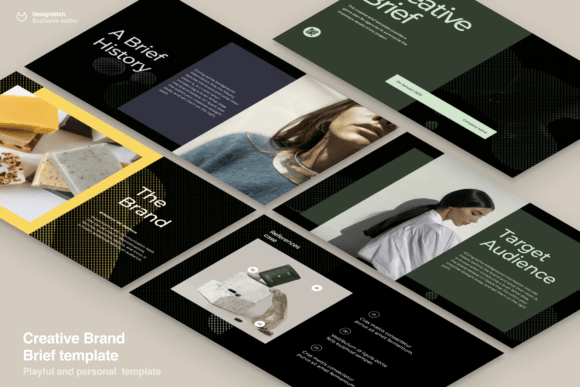
Creative Brief Template: Your Game Plan for Project Success
You’re about to embark on a major project, whether it’s a brand refresh, a new marketing campaign, or a product launch. The excitement is real, but so is the potential for chaos. Details get lost in email threads, feedback becomes contradictory, and the initial vision starts to blur. This is where a Creative Brief Template becomes your most valuable asset. It’s far more than a simple document; it’s the strategic foundation that aligns every stakeholder, clarifies objectives, and ensures your creative work hits the mark every single time.
What Exactly is a Creative Brief Template?
Think of a Creative Brief Template as the blueprint for your project’s success. It’s a structured document designed to capture all the critical information at the outset, acting as a single source of truth for everyone involved. A well-crafted brief answers the fundamental questions before the creative work even begins. Who is the target audience? What is the core message or problem we’re solving? What are the specific goals and key performance indicators? What is the timeline and budget? By documenting these elements, the template transforms vague ideas into actionable guidance.
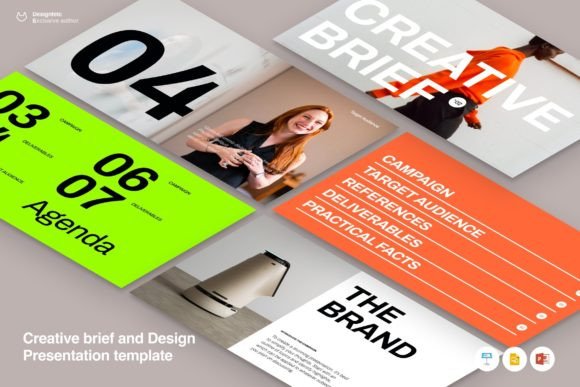
Visually, a great Creative Brief Template prioritizes clarity and organization. It uses clean layouts, logical sections, and ample white space to make dense information digestible. You’ll often see clear headings, concise bullet points, and designated areas for visual references or mood boards. Its personality is professional yet approachable—authoritative but not intimidating. The style is typically modern and minimalist, using a clean sans serif font for body text to ensure maximum readability and a complementary display font for headings to establish a clear visual hierarchy. This isn’t about flashy design; it’s about functional elegance that facilitates understanding.
Where Your Creative Brief Template Truly Shines
The versatility of a Creative Brief Template is one of its greatest strengths. Its core function—clarifying intent and aligning teams—makes it indispensable across nearly every creative and business discipline. For brand identity projects, it’s the document that defines the brand’s voice, values, and visual direction before a single logo sketch is drawn. In marketing and advertising, it ensures campaigns are built on solid strategic foundations, targeting the right audience with the right message.
Its application extends far beyond agency walls. Entrepreneurs and small business owners use it to brief freelancers or internal teams on new website designs or product packaging. Publishers and bloggers find it invaluable for planning content series or editorial themes, ensuring consistency across articles and social media graphics. Even for personal projects, like planning a wedding or a community event, a simplified creative brief helps keep all the creative elements—from the invitations to the décor—cohesive. Essentially, any project that involves multiple people and a desired outcome benefits from the clarity a Creative Brief Template provides.
The Tangible Impact of a Well-Used Brief
Adopting a Creative Brief Template isn’t just about process; it directly influences the quality and effectiveness of your final output. First, it dramatically improves readability—not of the font, but of the project itself. When the goals and constraints are clear from the start, the creative team can produce work that is focused and easy for the end audience to understand.
It also establishes a powerful visual hierarchy for the project lifecycle. The brief itself sets the priorities, which then translate into the design. For example, if the brief states the primary goal is “increase brand recognition among millennials,” the resulting social media graphics and web design will prioritize bold, modern typography and imagery that resonates with that demographic. This alignment strengthens brand perception and consistency. Every piece of collateral, from a packaging design to an email newsletter, will feel like it comes from the same entity because it was guided by the same core document.
Furthermore, a detailed brief fosters professionalism and builds trust with clients or stakeholders. It demonstrates that you take their business seriously and have a systematic approach to delivering results. This, in turn, boosts audience engagement. When your marketing materials are coherent and strategically sound, they resonate more deeply with your intended viewers, leading to higher interaction rates and better conversion.
Practical Guidance for Choosing and Using Your Template
Not all templates are created equal. When selecting a Creative Brief Template, evaluate its fit for your typical projects. Does it have sections for competitive analysis if you often work in crowded markets? Is there ample space for visual inspiration if you’re in a design-heavy field? Look for a template that feels intuitive to fill out. A overly complex one will become a barrier rather than a help.
Treat the template as a living document. It should be a starting point for conversation, not a rigid contract. Use the initial draft to facilitate a discussion with your team or client. Ask probing questions to get to the heart of the project. Is the stated objective the real objective? Are there unstated assumptions? The process of completing the brief is often as valuable as the document itself.
Consider the font pairing and design of the template you choose. While it’s a working document, its aesthetic matters. A template designed with a clean, professional typeface system—one that uses a legible serif font or sans serif font for body copy and a distinct display font for headings—will be more pleasant to work with and easier to scan. Some premium templates even allow you to add your own brand identity colors and logos, turning it into a branded design asset that reinforces your own professionalism.
Finally, remember the brief is a guide, not a cage. Great creative work often involves discovery and iteration. The brief should be referenced throughout the project to ensure you’re on track, but it shouldn’t stifle inspiration. Use it to navigate, not to eliminate exploration. By integrating a robust Creative Brief Template into your workflow, you’re not just organizing information—you’re building a repeatable framework for creative excellence that saves time, reduces revisions, and delivers powerful, cohesive results.